

Sea-Air Solutions
Cost and speed balanceCombine ocean freight for the main long-haul segment with air freight for the time-critical final leg when full air freight is too costly but standard sea freight is too slow.
MULTIMODAL TRANSPORT
Multimodal transport connects the right transport modes into one coordinated shipment plan, helping balance cost, transit time, capacity and delivery reliability across complex routes.
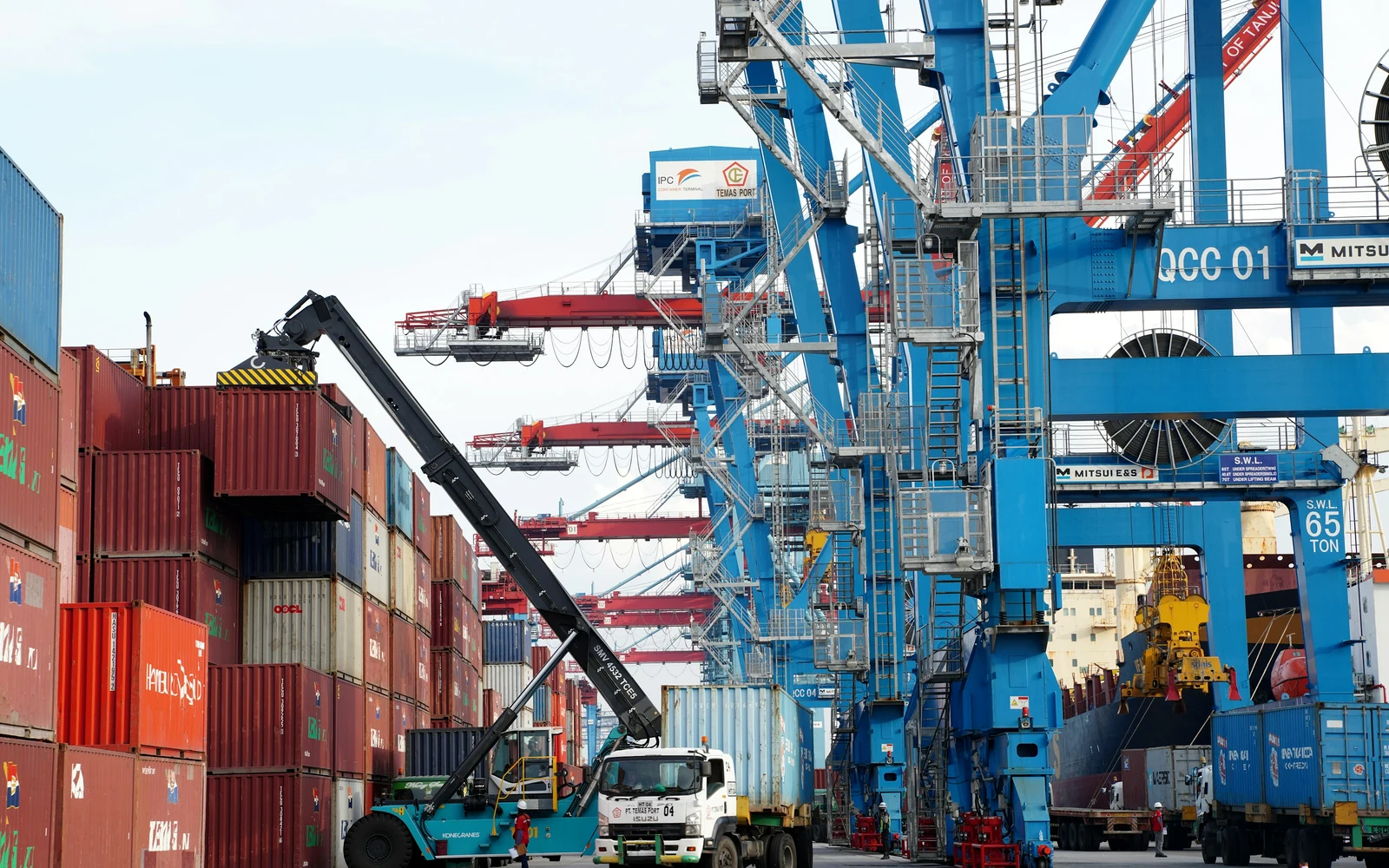
Many shipments cannot be solved well by a single transport mode. A cargo owner may need ocean freight for the long-haul cost advantage, rail for inland stability, road freight for origin pickup or final delivery, and air freight for urgent replenishment or split-shipment recovery. We review cargo profile, deadline, budget, equipment needs, customs requirements and handoff locations, then connect the suitable modes into one practical transport plan.
The goal is not to make the route complicated. The goal is to remove unnecessary handoff risk while giving the customer a realistic balance between speed, cost and control.
Transportation is only one part of the shipment. Our operational team coordinates the critical logistics stages surrounding each movement.
Combine ocean freight for the main long-haul segment with air freight for the time-critical final leg when full air freight is too costly but standard sea freight is too slow.
Link inland rail corridors with ocean port departures to support container movement from manufacturing regions to international shipping lanes.
Coordinate factory pickup, drayage, warehouse handoff, container loading and ocean booking so the export-side process stays aligned with vessel cut-off.
Use road freight for pickup, airport handoff and destination delivery around an air freight movement for cargo with tight delivery windows.
Plan truck, rail and sea combinations for cross-border shipments where route conditions, customs process or capacity require flexible transport design.
Separate urgent and non-urgent cargo into different modes so critical inventory can move faster while bulk cargo remains cost controlled.
Coordinate the transfer between carrier, terminal, warehouse, depot and trucker so documents, equipment and cargo availability move together.
Keep shipment milestones, exceptions and next actions in one communication path even when several carriers and logistics partners are involved.
The right multimodal plan depends on what the shipment is trying to optimize: cost, time, risk control, inventory continuity or route feasibility.
For medium and large cargo volumes, ocean freight can carry the main international leg while road or rail handles the origin and destination connections.
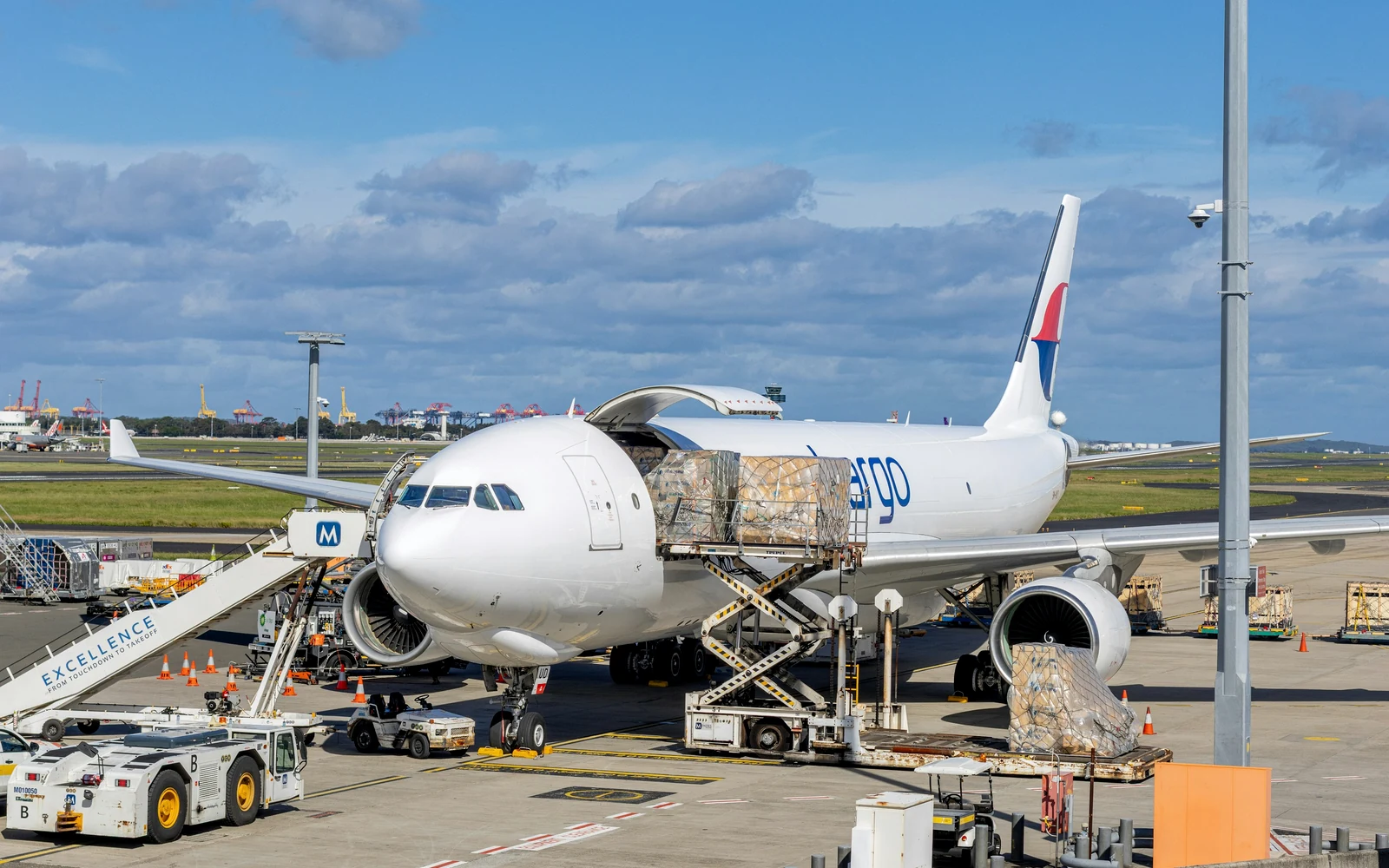
When inventory pressure appears, a partial air movement or sea-air combination can reduce delay without moving the entire shipment by air.
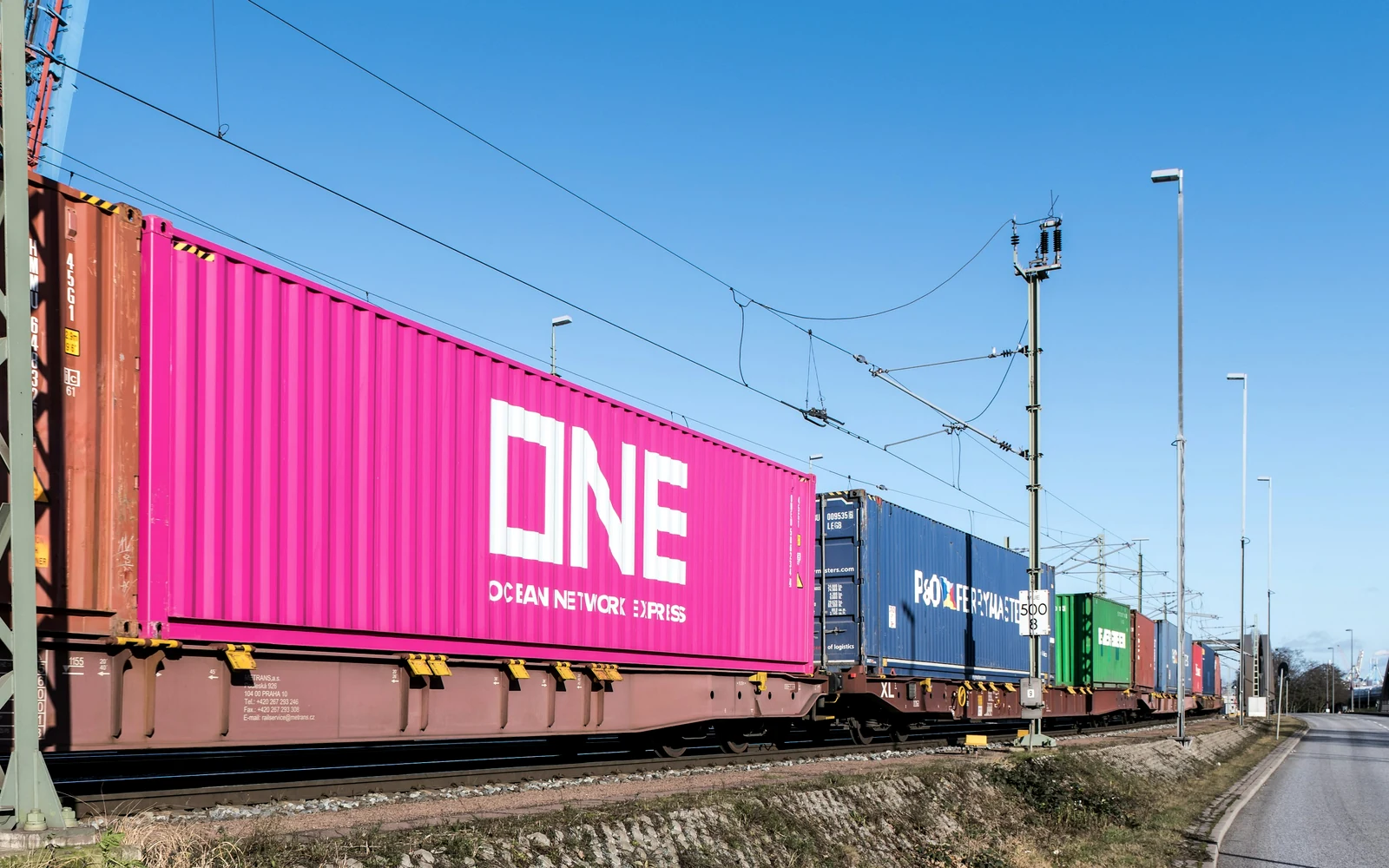
For factories away from main ports, rail or road can connect cargo to export gateways while keeping container, depot and documentation steps coordinated.
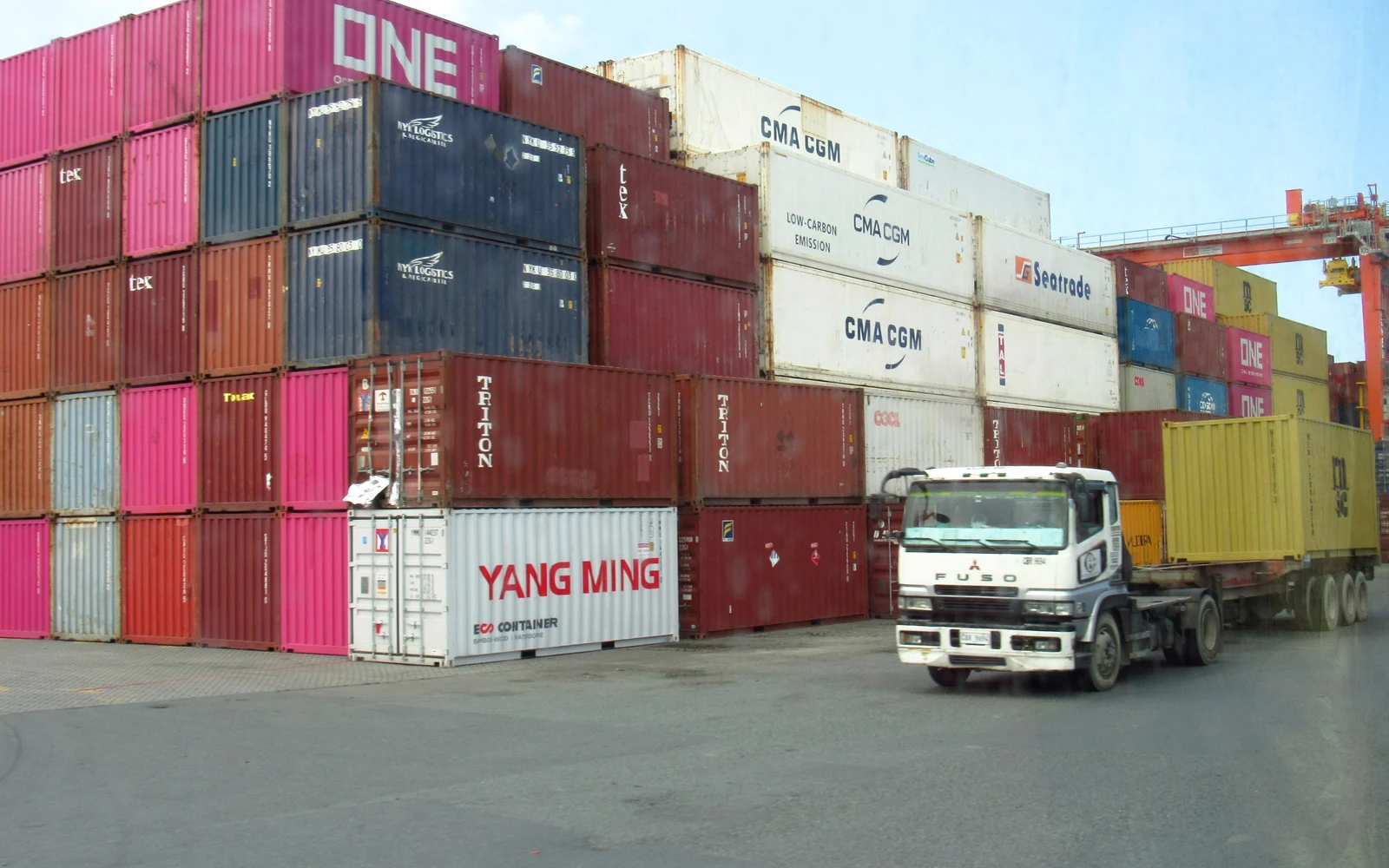
Destination-side transport can combine port pickup, warehouse handling, appointment scheduling and final-mile trucking under one delivery plan.
A multimodal plan should be built from shipment facts, not from a fixed route preference. We compare cargo readiness, volume, gross weight, delivery deadline, route stability, cut-off time, customs requirements and warehouse availability before recommending a mode combination.
One Business. One Solution. Multimodal transport is useful when cargo characteristics, delivery timing or route conditions require a more flexible plan than one transport mode can provide.
Cars, spare parts and components
Electronic products and high-value goods
Large cargo requiring handling review
Subject to classification and carrier approval
Consumer products and retail shipments
Cargo with temperature-sensitive handling needs
Machinery, tools and production equipment
Battery products and cargo with power components
Home, commercial and project furniture
Agricultural machines and related equipment
Garments, shoes and fashion goods
Standard commercial cargo
Mode combinations depend on cargo acceptance, packaging, equipment availability, customs requirements and route feasibility.
Confirm cargo type, package data, weight, volume, readiness date, delivery deadline and shipping terms.
Compare ocean, air, rail and road options based on cost, time, capacity, cargo acceptance and handoff risk.
Build a connected route with defined origin, transfer, terminal, warehouse and destination points.
Coordinate carrier, airline, rail, trucking or warehouse resources according to the selected plan.
Keep commercial documents, transport documents and customs data consistent across every mode.
Arrange pickup, warehouse receiving, loading, depot handoff or port delivery according to the route schedule.
Track mode-change points such as port-to-rail, rail-to-road, warehouse-to-airport or terminal-to-truck handoff.
Coordinate destination release, delivery appointment, final-mile transport and shipment closure.
Transport modes are selected around the shipment objective, whether the priority is time, cost, capacity or risk reduction.
Transfer points are planned before cargo moves, reducing confusion between carrier, warehouse, trucker and consignee responsibilities.
When one route changes, multimodal planning makes it easier to review alternative handoffs or split-shipment options.
Pickup, main transport, customs-related steps, storage and final delivery can be connected as one operating workflow.
Customers can avoid overusing air freight when a mixed route can meet timing needs at a more reasonable total cost.
Shipment updates are organized around milestones and next actions instead of disconnected carrier messages.
MULTIMODAL TRANSPORT
For cargo with mixed timing and budget needs, we can compare sea-air, rail-sea, road-sea and air-road options, then define the handoff points, document requirements and milestone updates before execution.
Discuss a Multimodal PlanPLANNING YOUR NEXT SHIPMENT?
Share your cargo details, origin, destination and preferred schedule. Our team will help evaluate the right transportation solution.