

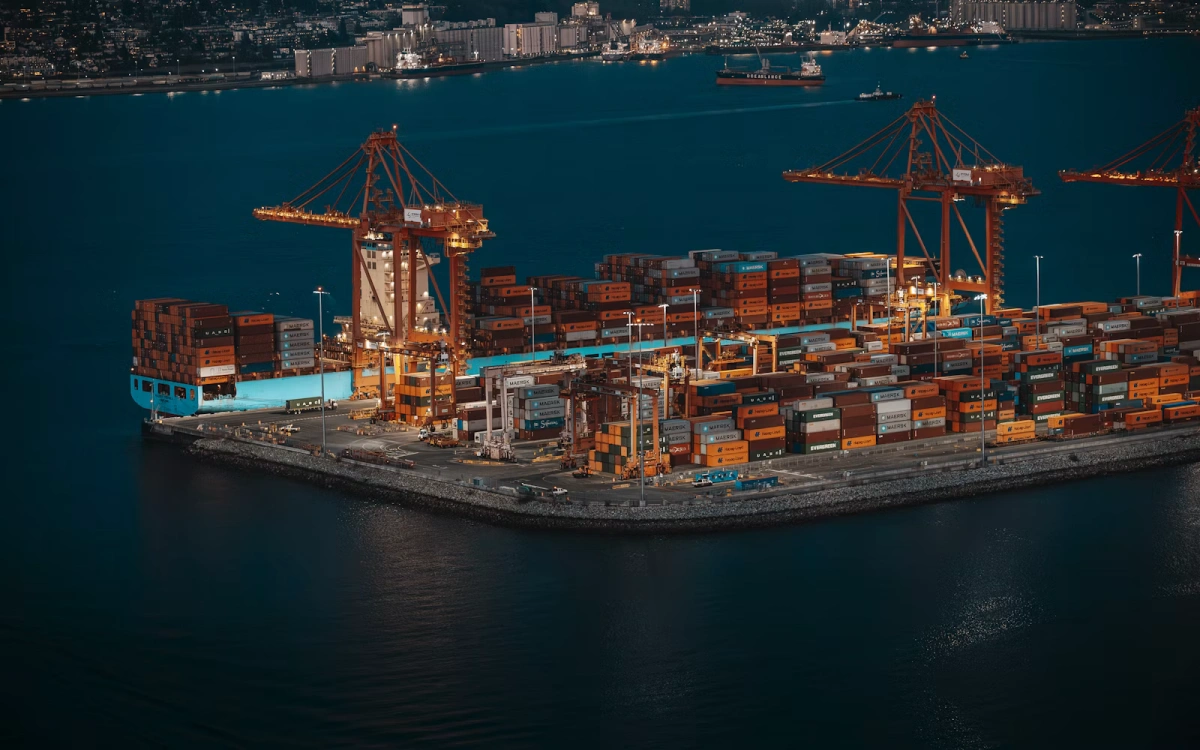
Why ocean freight matters
Ocean freight is the backbone of global trade. Every day, container vessels move raw materials, consumer goods, machinery, furniture, electronics, apparel, automotive parts and e-commerce inventory across international routes.
For businesses that ship medium or large volumes, sea freight remains one of the most cost-effective ways to move goods between continents. It is slower than air freight, but when planned properly, it offers strong unit economics and dependable capacity for global supply chains.
FCL and LCL options
The two most common ocean freight services are FCL and LCL. FCL means Full Container Load. The shipper uses an entire container, usually a 20-foot, 40-foot or 40-foot high cube container.
LCL means Less than Container Load. In an LCL shipment, cargo from several shippers is consolidated into one container. The shipper pays for the space used, usually based on cubic meters or chargeable volume.
Choosing between FCL and LCL depends on shipment volume, cargo value, urgency, packaging strength, destination requirements and cost comparison. As volume increases, FCL often becomes more attractive.
How ocean freight pricing works
Ocean freight pricing is not just one number. A complete quote may include origin pickup, export customs, origin terminal handling, documentation, ocean freight, security fees, destination terminal handling, customs brokerage, duties, taxes, exam fees, chassis, drayage, warehouse handling, demurrage, detention and final delivery.
This is why importers should ask for a full cost breakdown. A low ocean freight rate can become expensive if destination charges are high or if the shipment is delayed at port. The best comparison is landed cost, not only port-to-port freight.
Documents needed for sea freight
Ocean freight relies on accurate documentation. The most common documents include commercial invoice, packing list, bill of lading, arrival notice, customs entry documents and any product-specific certificates.
The bill of lading is especially important. Importers should check shipper, consignee, notify party, vessel information, container number, seal number, cargo description and freight terms carefully. Mistakes can delay customs clearance or cargo release.
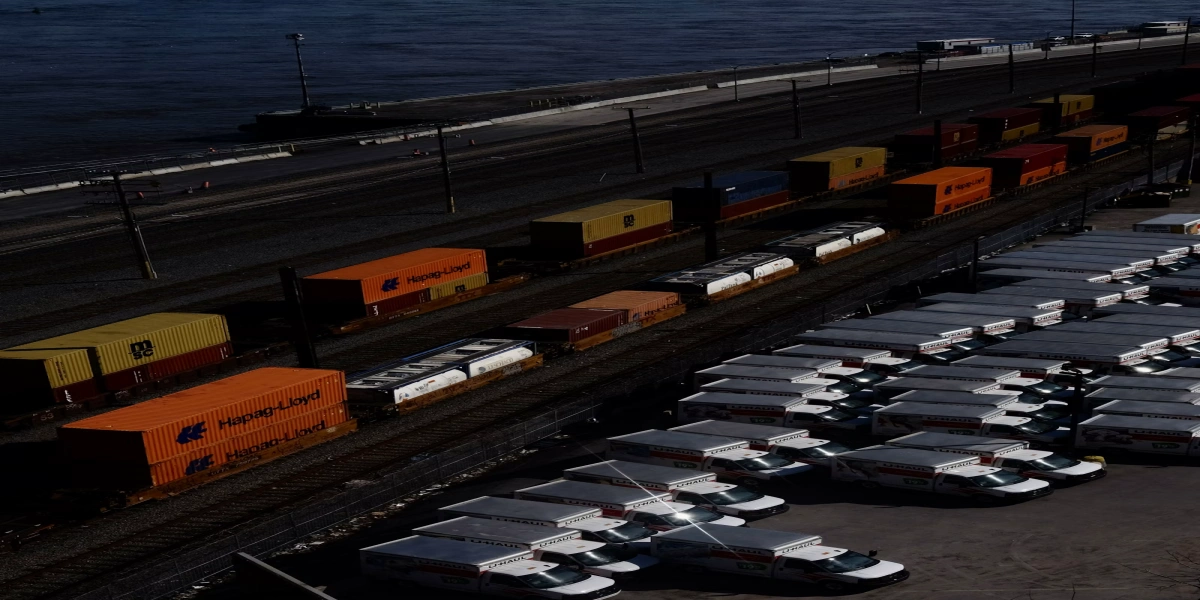
Destination handling and risk control
Many ocean freight problems happen after arrival. Containers may incur demurrage if they remain at the terminal too long. Detention may apply if containers are not returned within the allowed free time. Chassis shortages, customs exams, warehouse congestion and appointment delays can also add cost.
Before the vessel arrives, the customs broker should have documents ready, the importer should arrange duty payment and the trucker should prepare for pickup. For FCL shipments, the delivery location must be able to receive a container or arrange unloading within the free time.
The first risk control method is better planning. Book early, provide accurate cargo details and confirm packaging before pickup. The second is documentation quality. The third is visibility. Tracking milestones helps importers react before delays become emergencies.