

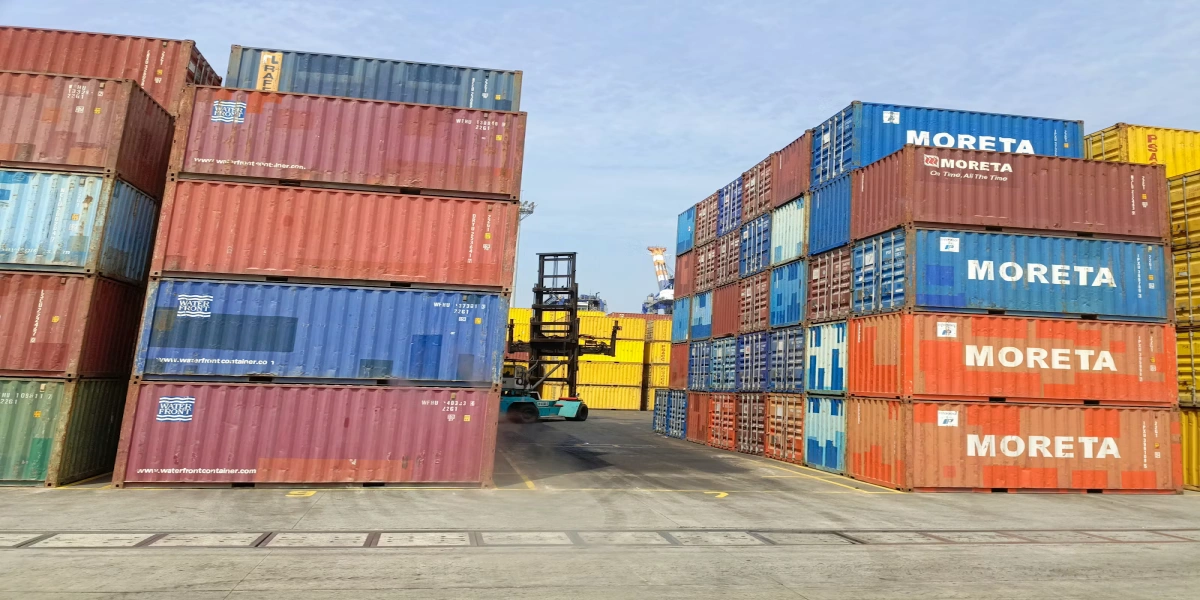
What FOB means in practice
FOB shipping is one of the most widely used terms in international trade, especially for importers buying goods from overseas suppliers. FOB stands for Free On Board. In simple terms, it means the seller is responsible for delivering the goods to the agreed port of shipment and loading them on board the vessel.
After that point, the buyer takes responsibility for the main freight, insurance if needed, destination charges, customs clearance at destination and final delivery. Although FOB sounds straightforward, many importers misunderstand where cost and risk shift from seller to buyer.
FOB should always name a specific port in the purchase contract. A vague origin term creates confusion because origin costs can vary by location, trucking distance, sailing options, cost and schedule.
Why importers choose FOB
FOB is popular because it gives the buyer more control over international freight. If the supplier arranges the main ocean leg, the buyer may see a lower initial freight amount, but destination charges can be unclear or expensive.
With FOB, the buyer can work directly with a trusted freight forwarder, compare routes, negotiate freight and receive better visibility. FOB is also useful for buyers who source from multiple suppliers because one forwarder can consolidate cargo into one container or one LCL shipment.
Costs usually paid by each side
The seller's FOB costs normally include export packing, local delivery to the named port, export customs declaration, origin terminal handling and loading onto the vessel. The exact cost division may vary by port, supplier contract and forwarder practice.
The buyer usually pays ocean freight, marine insurance if purchased, destination terminal handling, customs brokerage, duties, taxes, customs exams, storage, demurrage, detention, chassis fees, drayage, transloading and final delivery.
For LCL shipments, destination charges are especially important. A low ocean freight quote may hide high destination handling fees. Importers should ask for an all-in estimate that includes origin, freight, destination, customs and delivery charges.
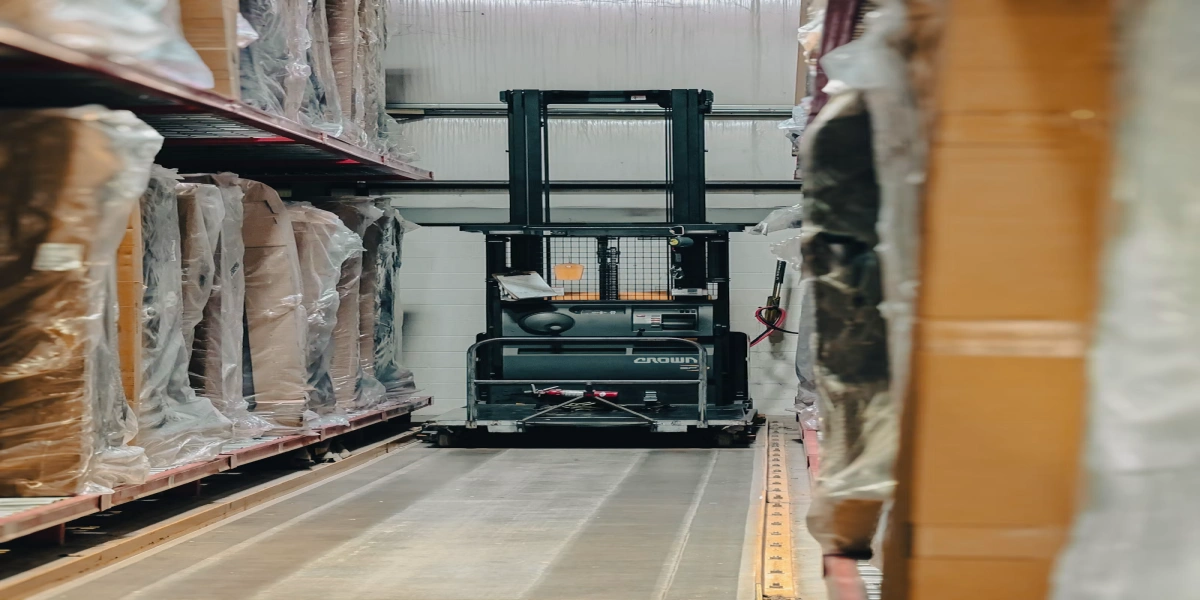
FOB and risk transfer
Risk transfer is one of the most important parts of FOB shipping. Under FOB, risk generally transfers from seller to buyer when the goods are loaded on board the vessel at the named port.
If the cargo is damaged before loading, the seller is usually responsible. If damage occurs after loading, the buyer generally bears the risk, unless another party is liable under a separate contract. This is why cargo insurance matters.
Best practices for FOB shipments
First, confirm the named FOB port before placing the purchase order. Second, appoint a freight forwarder early so the forwarder can contact the supplier, check cargo readiness, book space and confirm documentation before the shipment is rushed.
Third, request accurate cargo details. Carton count, dimensions, gross weight, commodity description, commodity code and cargo value are needed for booking and customs-related preparation. Fourth, check packaging standards to reduce damage.
FOB shipping works best when the buyer has a reliable freight forwarder and understands destination requirements. The key is clarity: name the port, define responsibilities, prepare documents early and compare costs based on the full shipment journey.