

Why dedicated line logistics needs careful planning
Shipping goods across borders is not just about booking space on a vessel or aircraft. A strong dedicated line logistics plan connects supplier coordination, export handling, international transportation, customs-related preparation, inland delivery, cost control and exception management into one predictable process.
For importers, e-commerce sellers, manufacturers and distributors, the real value of a freight partner is not only a low quote. It is the ability to make every step visible and manageable before cargo leaves the factory.
Dedicated line logistics usually refers to a structured shipping service from an origin market to a defined destination region. Depending on the cargo profile and delivery deadline, a shipment may move by air freight, express courier, ocean freight or multimodal door-to-door delivery.
Start with the business objective
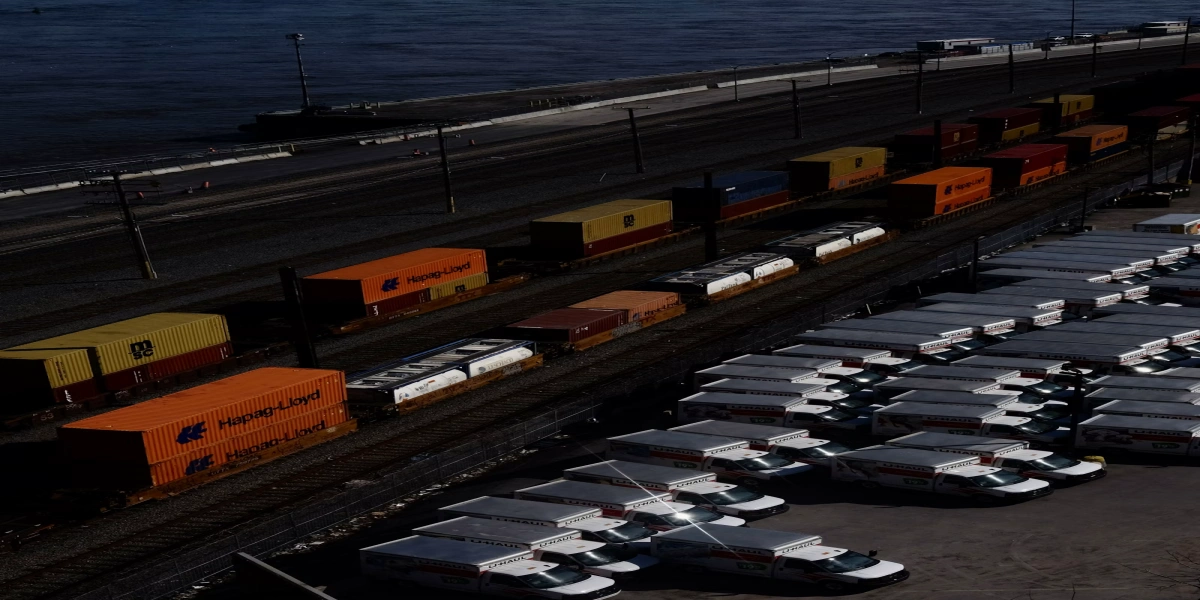
A shipment arriving through one gateway may be suitable for nearby delivery, while cargo bound for an inland warehouse may need rail, truck or transloading after arrival. The best routing is not always the shortest route on a map. It is the route that balances transit time, congestion risk, customs reliability, inland cost and final delivery requirements.
An importer shipping seasonal goods may prefer a faster ocean option followed by truck or rail delivery. A seller with stable inventory may choose a slower but more economical route to reduce unit cost. A high-value shipment may move by air freight, then be delivered to a warehouse within days.
Key steps in a shipment plan
A reliable shipment starts at origin. The freight forwarder should confirm product details, carton dimensions, gross weight, commodity description, supplier address, cargo readiness date and final delivery requirement. These details affect booking options, documentation, insurance and delivery appointments.
The next step is export pickup and warehouse handling. Cargo may be collected from one supplier or consolidated from several factories. If the shipment is less than container load, it may enter a consolidation warehouse where cartons are checked, labeled, measured, palletized and loaded with other cargo.
After export handling and departure, the international leg begins. Ocean freight remains common for medium and large shipments because it offers strong unit economics. Air freight is better for urgent, high-value or lightweight cargo.
Reduce common freight risks
One of the most common risks is poor documentation. A vague product description can trigger customs questions. A mismatch between invoice value, packing list quantity and actual cargo can create delays. Importers should use clear product names, correct commodity details, realistic values and consistent carton counts.
Another risk is underestimating inland logistics. Final delivery can become costly if the address requires appointment scheduling, liftgate service, inside delivery or long waiting time. Before booking, the forwarder should confirm whether the consignee has a dock, forklift, business hours, contact person and delivery requirements.
Cargo damage is another concern. Cartons should be strong enough for stacking, pallets should be wrapped and labeled, and fragile goods should be protected against vibration, moisture and compression.
What to ask your freight forwarder
Before choosing a dedicated line logistics provider, ask for a full cost breakdown, estimated transit time, included services, excluded charges, customs-related process, cargo tracking method and claims procedure.
A professional forwarder should be able to explain the route, handoff points, likely risks and documentation requirements without hiding behind vague promises. A good forwarder acts like an operating partner: practical, transparent and calm when the shipment becomes complicated.