

Why FBA freight is different
Amazon FBA logistics is one of the most important parts of running a successful marketplace business. A seller may have a strong product, a good listing and steady demand, but if inventory does not arrive at the fulfillment center on time and in the correct condition, sales can stop quickly.
FBA shipping is not only transportation. It is a chain of decisions that includes production timing, carton labeling, export handling, freight mode selection, customs-related coordination, pallet requirements, delivery appointments and replenishment planning.
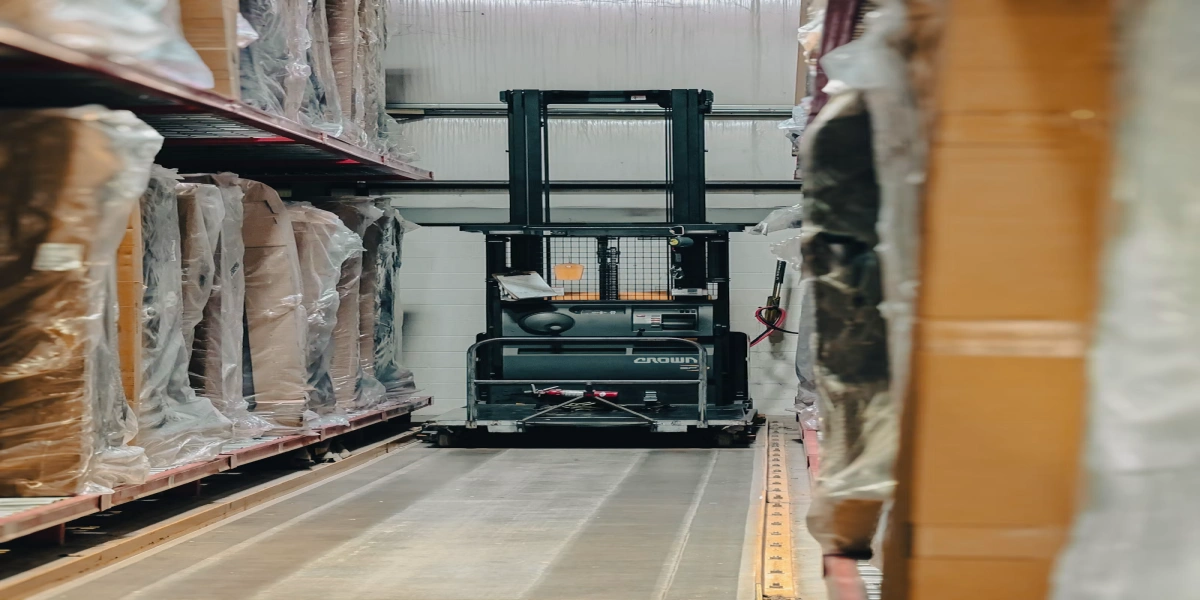
Amazon warehouses are built for speed and standardization. If cargo arrives with incorrect labels, poor palletization, missing shipment IDs, damaged cartons or no appointment, the shipment may be delayed, refused or reworked at additional cost.
Main shipping options for FBA sellers
The three most common methods are express courier, air freight and ocean freight. Express courier is fast and simple for samples or small replenishment shipments, but the cost per unit is high.
Air freight is suitable for larger urgent shipments. It offers faster transit than ocean freight while usually costing less than express courier for heavier cargo. For FBA sellers, door-to-door air service is often easier because the forwarder manages handoffs through final delivery appointment.
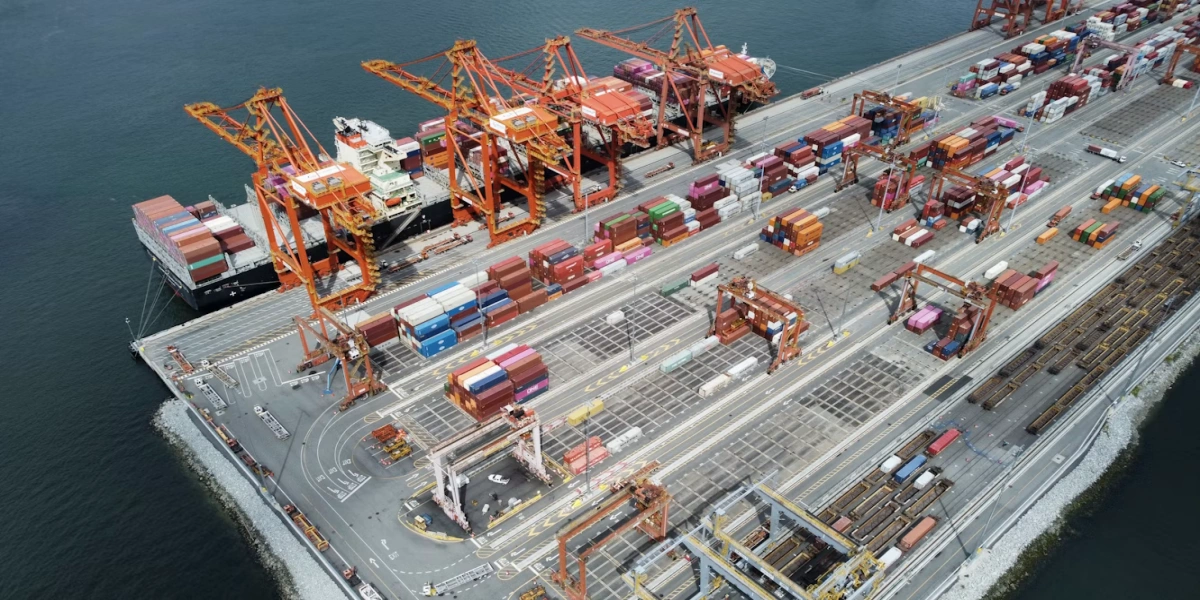
Ocean freight is the most economical option for larger shipments. Sellers can choose less than container load or full container load depending on volume. Ocean freight takes longer, so sellers must plan inventory earlier.
The FBA logistics process step by step
The first step is shipment planning. The seller should estimate demand, review current inventory, check production completion dates and decide how much stock to send. It is often wise to split inventory across methods: a smaller urgent portion by air and the main replenishment quantity by ocean.
Next, the seller creates the shipment plan in Seller Central. This plan generates the necessary labels and destination information. Sellers should provide these details to the forwarder as early as possible.
At the factory, cartons should be packed according to product and Amazon requirements. Each carton should have the correct FBA label, product information if required, origin marking and clear carton number.
After pickup, the cargo moves through export handling and international transportation. The forwarder should provide milestone updates such as pickup completed, export released, departed origin, arrived destination, customs-related process started, released, warehouse received, appointment requested and delivered.
Common FBA shipping mistakes
One common mistake is choosing a freight provider based only on price. FBA logistics requires operational accuracy. A low quote may exclude palletization, storage, appointment booking, label service, customs brokerage or delivery reattempts.
Another mistake is ignoring packaging strength. Amazon inventory may be handled several times before reaching the customer. Weak cartons can collapse, labels can peel off and poorly protected products can arrive damaged.
Sellers also underestimate lead time. Production delay, vessel schedule changes, customs exams, port congestion, warehouse backlog and Amazon check-in time can all affect availability.
How to improve FBA logistics performance
The best sellers treat logistics data as part of business management. Track landed cost per unit, transit time by mode, damage rate, customs issues, receiving time and stockout frequency.
Working with a forwarder that understands Amazon receiving standards also reduces daily stress. The right partner should check labels before departure, explain destination charges clearly, offer realistic transit times and communicate early when delays appear.